Scaling is a dental procedure that professionally removes plaque
buildup, known as tartar, that hardens over time and forms on
the surface of teeth. Calculus forms when minerals in saliva
interact with plaque and cannot be removed by brushing. These
hardened deposits, which accumulate at and below the gum line,
can lead to gum disease and bad breath if left untreated.
Neglecting the use of dental floss and interdental brushes
Wrong tooth brushing techniques
The saliva structure is rich in minerals.
Frequent consumption of sugary and acidic foods
Cigarettes and tobacco products
Why is tartar cleaning necessary?
Inflammation of the gums (gingivitis) may occur
Bleeding and swelling of the gums occur
Bad breath (halitosis) may become permanent
Yellowing and staining of teeth occur.
Over time, it paves the way for advanced diseases such as
periodontitis.
Is Dental Tartar Cleaning Harmful?
Contrary to popular misconception, scaling doesn't damage tooth
enamel when performed by a qualified dentist. During the
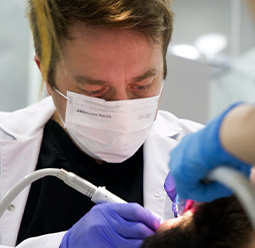
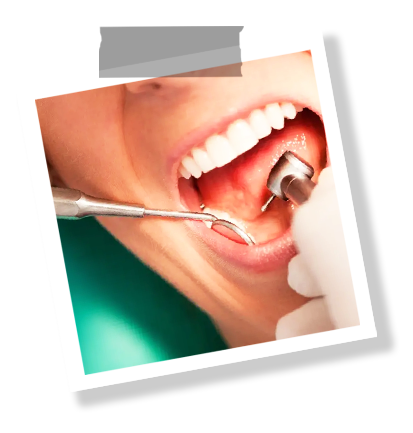
procedure, tartar is gently removed from the surface using
ultrasonic devices, and then the tooth surfaces are polished to
a smooth finish. This delays the recurrence of bacterial
buildup.
Commonly known falsehood:
The statement, "Scaling thins tooth enamel," is incorrect. On
the contrary, uncleaned tartar damages enamel and gum tissue.
Is Tartar Removal Painful?
The cleaning process is generally painless. Patients with
sensitive gums or areas with extensive tartar buildup may
experience brief discomfort. If necessary, local anesthesia can
be used to make the procedure more comfortable. Sensitivity to
hot and cold may occur for a few days after the cleaning, but
this is temporary.
What Should Be Considered After Tartar Cleaning?
Extremely hot or cold foods should be avoided for the first
24 hours.
Flossing and brushing routine should be continued regularly.
Use of antiseptic mouthwash may be recommended
Coloured drinks (tea, coffee, wine) should be consumed
limitedly in the first days.